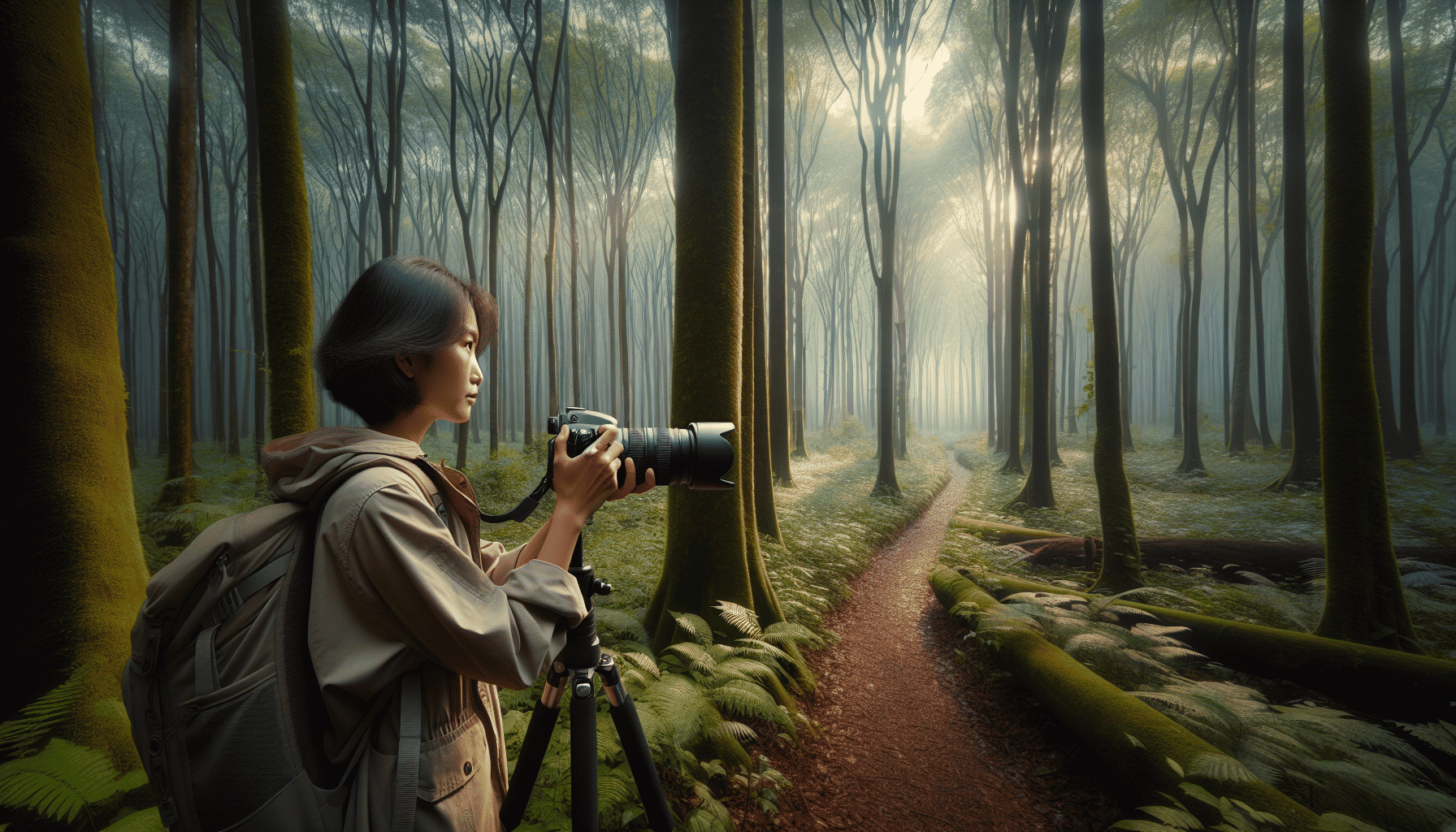
Nature photography offers an opportunity to capture the exquisite beauty of the natural world and share it with others. To truly captivate viewers, understanding and applying the rules of composition is essential. This guide delves into fundamental principles that can transform your nature photographs into stunning works of art.
Rule of Thirds
One of the cornerstone principles of composition, the Rule of Thirds, involves dividing your image into nine equal parts using two horizontal and two vertical lines. Placing key elements of interest along these lines or at their intersections can create balance and draw the viewer’s eye more naturally. For example, position a solitary tree or a mountain peak at one of these intersections to enhance your composition.
Leading Lines
Leading lines are a powerful tool for guiding the viewer’s eye through a photograph. These can be anything from a winding river, a path, or even a row of trees. They act as visual cues that direct attention to the main subject, creating a sense of depth and movement within the image.
Framing
Framing involves using elements within the scene to create a 'frame' around the main subject. This could take the form of overhanging branches, archways, or even the edges of cliffs. This technique can add depth to your photograph and focus the viewer’s attention on the subject, giving a sense of encapsulation and context.
Natural Symmetry and Patterns
Nature often provides remarkable symmetry and patterns, from the spirals of a seashell to the reflections on a tranquil lake. Capturing these elements can add an aesthetically pleasing order to your compositions. Symmetry can convey harmony and balance, making your photograph naturally appealing to the eye.
Perspective and Angle
Experimenting with different perspectives and angles can dramatically alter the impact of a photograph. Don’t be afraid to get low to the ground to capture the expansive sky from a unique angle or climb to a higher vantage point to gain a sweeping view of the landscape. Changing your perspective can reveal compositions that aren't apparent from the usual eye level.
Background and Foreground
Balancing elements in the foreground and background can add an extra dimension to your photography. A distinct foreground element can provide context or scale, while a less busy background ensures the viewer's attention remains on the main subject. When these elements are well-managed, they complement each other, enriching the entire scene.
Golden Hour Lighting
Taking advantage of the golden hour, which occurs shortly after sunrise or before sunset, can enhance your images with soft, warm lighting and long shadows. This natural light is ideal for adding mood and drama to a photograph, highlighting textures, and imbibing your scenes with a dreamy quality.
Conclusion
Mastering composition in nature photography involves understanding how these elements can interact to create compelling images. By thoughtfully incorporating the Rule of Thirds, leading lines, framing, symmetry, varying perspectives, and the interplay of light—each photograph can tell a vivid story of nature’s magnificence. By practicing and honing these techniques, every shot has the potential to captivate your audience, providing them with a glimpse of the breathtaking beauty that the natural world has to offer.