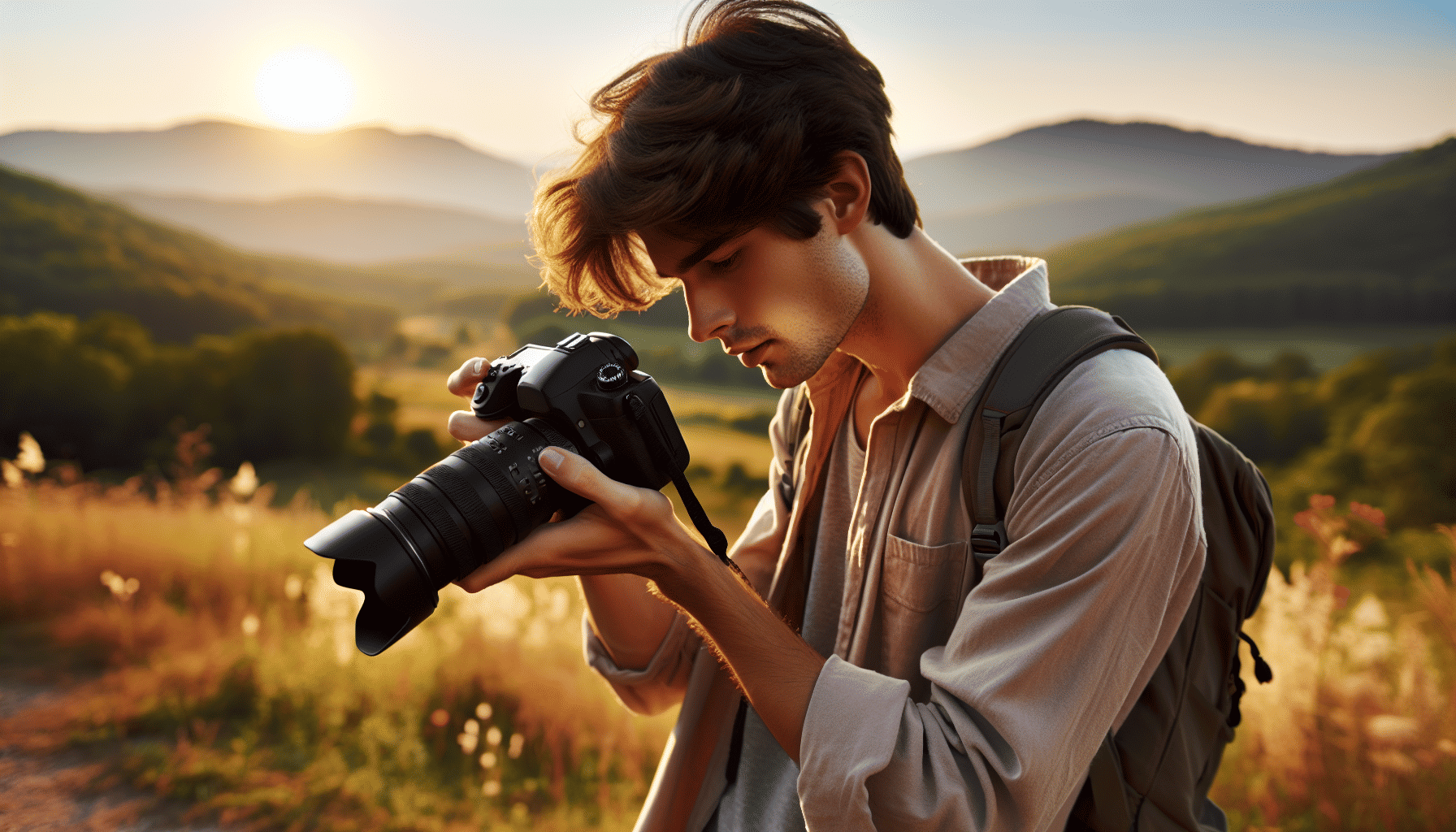
Learning how to use your camera's settings is essential for anyone wanting to capture beautiful images. Starting with a solid grasp of the basics can set you on the path to taking remarkable photos. This guide will help you understand critical camera settings and how to use them effectively.
1. Shutter Speed:
Shutter speed determines how long the camera's shutter remains open while taking a picture. A faster shutter speed, such as 1/1000 of a second, can freeze motion, ideal for capturing fast-moving subjects like sports or animals in action. Conversely, a slower shutter speed, such as 1/30 of a second, allows more light in and can create a sense of movement in images, perfect for softening flowing water or capturing light trails. When using slower speeds, a tripod is often necessary to maintain sharpness.
2. Aperture:
Aperture controls the size of the lens opening, affecting both exposure and depth of field. Measured in f-stops, a lower f-stop number (e.g., f/2.8) means a larger aperture that allows more light in and creates a shallow depth of field, blurring the background while keeping the subject in focus. This is great for portraits. A higher f-stop number (e.g., f/16) results in a smaller aperture and a large depth of field, making it suitable for landscapes where you want everything in focus.
3. ISO:
ISO determines the camera's sensitivity to light. In low-light conditions, a higher ISO (e.g., 1600) can help capture a brighter image but may introduce noise, which affects image quality. During bright conditions, a low ISO (e.g., 100) yields clearer images. Balancing ISO with shutter speed and aperture enables you to optimize exposure and clarity.
4. White Balance:
This setting ensures colors in your photos appear natural under different lighting conditions. Most cameras offer preset options like daylight, cloudy, tungsten, and fluorescent. It's important to adjust white balance to match the lighting environment, which keeps the colors accurate and prevents unwanted tints.
5. Focus:
Auto-focus is typically reliable, but manual focus can be invaluable in situations where precision is crucial. Familiarize yourself with your camera's focus modes and experiment to determine which works best under varying conditions.
6. Composition and Framing:
Understanding camera settings is vital, but so is composition. The rule of thirds, leading lines, and natural framing can transform a standard photo into a compelling one. Try experimenting with different compositions to find your style.
7. Practice and Experimentation:
Finally, practice is essential. Don't be afraid to experiment with different settings and shoot in various conditions. Review your photos, take note of what works well, and learn from what didn’t. Familiarity comes over time, so keep shooting.
By mastering these settings, you can dramatically improve the quality of your photos. With patience and practice, you'll be capturing stunning images in no time, ready to explore more advanced techniques when you’re comfortable.