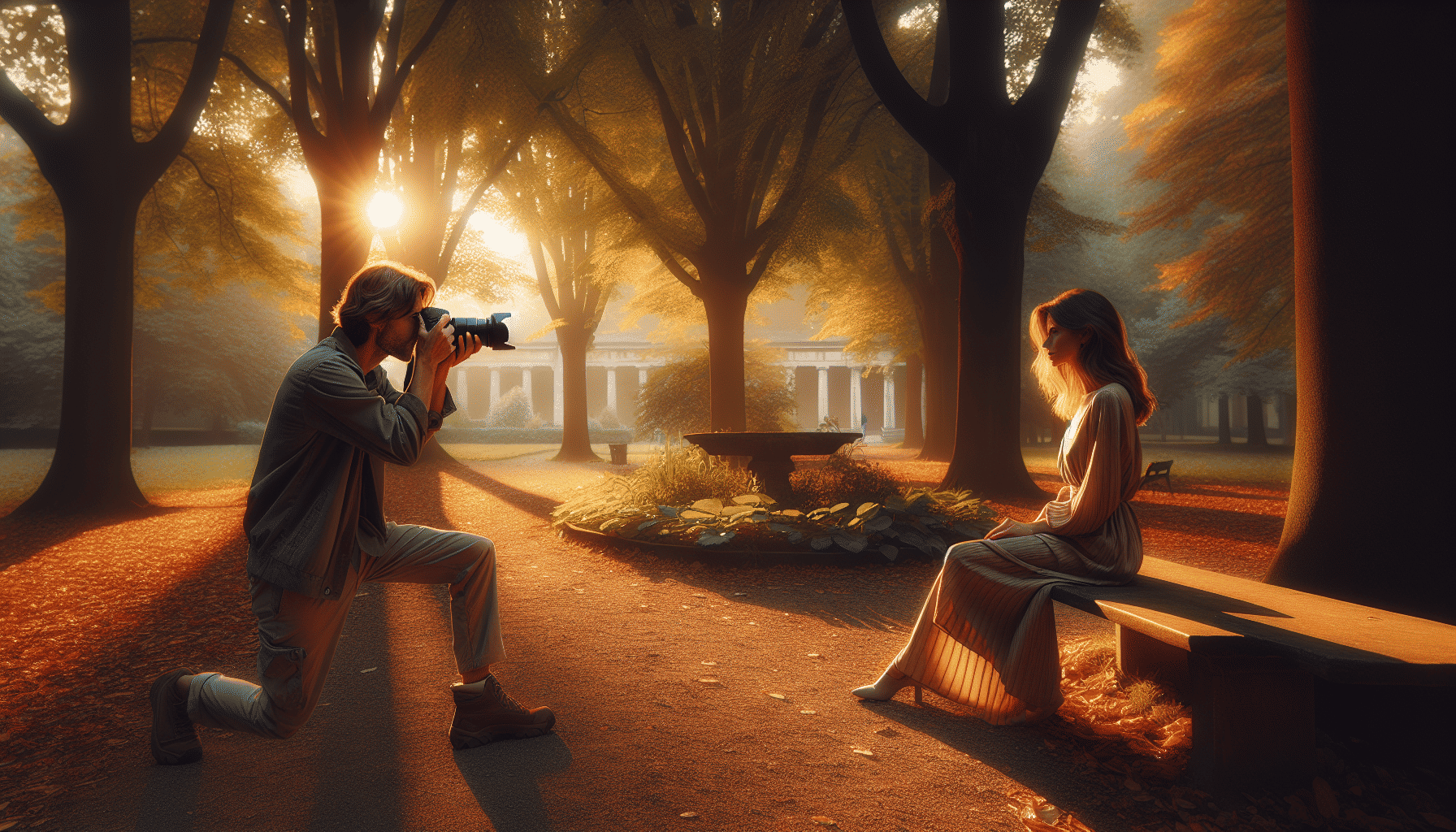
Capturing a compelling photograph often hinges on the mastery of lighting. Whether you're focused on landscape or portrait work, understanding how to manipulate light can transform your images, adding depth, emotion, and vibrancy. Here are some effective lighting techniques to elevate your photography.
1. Understanding Natural Light:
Natural light is the most accessible and versatile light source available to photographers. However, the quality of natural light changes throughout the day. The "golden hour," shortly after sunrise or before sunset, provides a soft and warm ambiance, making it ideal for both landscape and portrait photography. This gentle light enhances colors and adds a magical quality to scenes and skin tones.
On the other hand, midday sun can create harsh shadows and high contrast, which might be challenging but can also be used creatively. For instance, shooting with the sun behind your subject can create a beautiful backlit effect, emphasizing the hair and edges in a portrait or highlighting the outline of a tree or building in landscapes.
2. Using Artificial Light in Portraits:
In studio settings or less than ideal natural lighting conditions, artificial light is indispensable. Softboxes and ring lights are commonly used to illuminate the subject evenly, reducing harsh shadows. Positioning lights at different angles can help in sculpting the subject’s features, adding a sense of depth and professionalism.
For dynamic portraits, combining multiple light sources can yield impressive results. A key light placed at a 45-degree angle, a fill light on the opposite side, and a backlight to separate the subject from the background create a three-dimensional look.
3. Reflectors and Diffusers:
Reflectors expand the capabilities of light sources without the need for additional equipment. By directing sunlight or artificial light towards your subject, reflectors can fill in shadows and add a glow to the photograph. Silver reflectors add contrast, while gold reflectors impart a warm feel, enhancing skin tones in portraits.
Diffusers, on the other hand, soften the light, producing a more flattering result. Cloudy days naturally diffuse sunlight, creating a pleasing even light for both portrait and landscape photography.
4. Mastering Landscape Lighting:
In landscape photography, light direction is crucial. Consider the position of the sun and how it interacts with the landscape. Side lighting can give texture to elements like hills and trees, emphasizing their form. Front lighting can illuminate colors and details effectively but may result in a flatter image. Experimenting with different angles and observing the interplay of light can reveal unexpected beauty in familiar scenes.
Additionally, integrating long exposures during night photography can capture stunning details not visible to the naked eye, like star trails or the Milky Way. A tripod is essential for stability in these low-light conditions.
5. Creative Lighting Techniques:
Getting creative with light can lead to breathtaking results. Playing with shadows, silhouettes, and reflections can provide a unique perspective. Silhouettes, for example, rely on backlighting to create dramatic outlines of subjects against vibrant backgrounds. Shadows can introduce patterns and complexity to the composition, while reflections in water or mirrors can double the impact of a scene.
In conclusion, mastering lighting techniques is instrumental in transforming your photography and capturing the essence of your subject. By understanding and manipulating both natural and artificial light, you can evoke emotion, highlight details, and bring your photos to life in new and exciting ways.