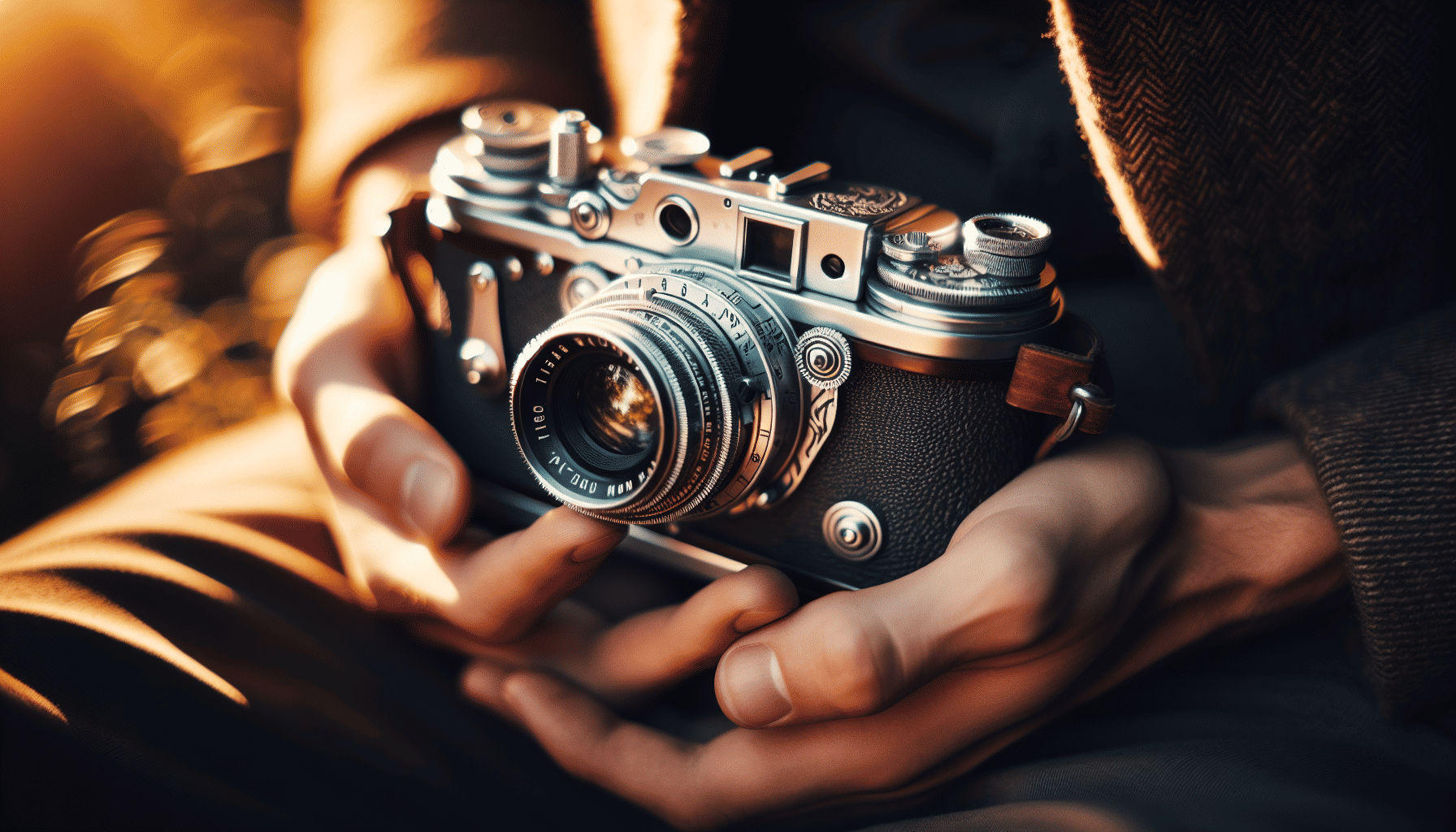
Embarking on the journey of photography is both exciting and enriching. The first step is understanding the basic components and functions of a camera, which can greatly enhance your ability to capture images effectively. Let’s delve into the essentials that form the foundation of camera knowledge.
Camera Body
The body of a camera is essentially its backbone, holding all the parts together. It's where you interact with controls and settings, choosing how you want to capture the scene before you. While the aesthetics and ergonomics vary from model to model, understanding the layout will help you to choose the best one that suits your needs.
Lens
The lens is crucial for capturing sharp images. It’s the passage through which light enters the camera. Lenses come in various types—prime, zoom, wide-angle, telephoto—each serving a different purpose depending on the shot you’re planning. The quality of a lens often has a greater impact on image quality than the camera itself.
Aperture
Aperture is the opening in the lens that controls the amount of light entering the camera. Measured in f-stops, a smaller f-stop number signifies a larger aperture, allowing more light to hit the sensor. This also affects the depth of field in your photos, determining how much of your image is in focus.
Shutter Speed
Shutter speed refers to how long the camera’s shutter remains open to expose light to the camera sensor. It’s measured in seconds or fractions of a second. Faster shutter speeds can freeze action, like a bird in flight, whereas slower speeds can create motion blur, adding an artistic effect to subjects in motion.
ISO
ISO measures the sensitivity of your camera's sensor to light. A lower ISO is ideal for bright conditions, producing crisp images with little noise. Meanwhile, a higher ISO setting can be used in low-light scenarios, though it might introduce graininess to your photos.
Viewfinder
The viewfinder is the small window you look through to frame your shot. While many modern cameras have electronic viewfinders, allowing you to see a digital preview, some traditionalists still prefer an optical viewfinder for its real-world representation.
Digital Sensor
The sensor is the electronic component that records the image. Its size often influences image quality, with full-frame sensors offering better performance in terms of detail and low-light ability compared to smaller, crop sensors.
Autofocus System
An efficient autofocus system helps ensure your subjects are sharp. It uses various points within the sensor to lock focus on a subject, and different settings allow you to customize how focus is achieved, whether for still subjects or those in motion.
Image Stabilization
This feature reduces the blurriness caused by camera shake, crucial when shooting in low light or without a tripod. Some cameras have in-body stabilization, while others use lens-based systems.
Control and Connectivity
Modern cameras offer numerous controls, from manual adjustments for seasoned photographers to automatic settings for beginners. Additionally, connectivity options like Wi-Fi and Bluetooth enhance the sharing experience, allowing images to be transferred quickly to other devices.
As you begin exploring photography, understanding these basic elements will empower you to capture the world compellingly. Practice will be your best teacher as you experiment with different settings and techniques to bring your artistic vision to life.