In the realm of capturing images, lighting plays a pivotal role. It has the power to transform a simple scene into a captivating narrative. Understanding the fundamentals of both natural and artificial illumination is key to crafting images that command attention, evoke emotions, and reveal depth.
Natural Illumination
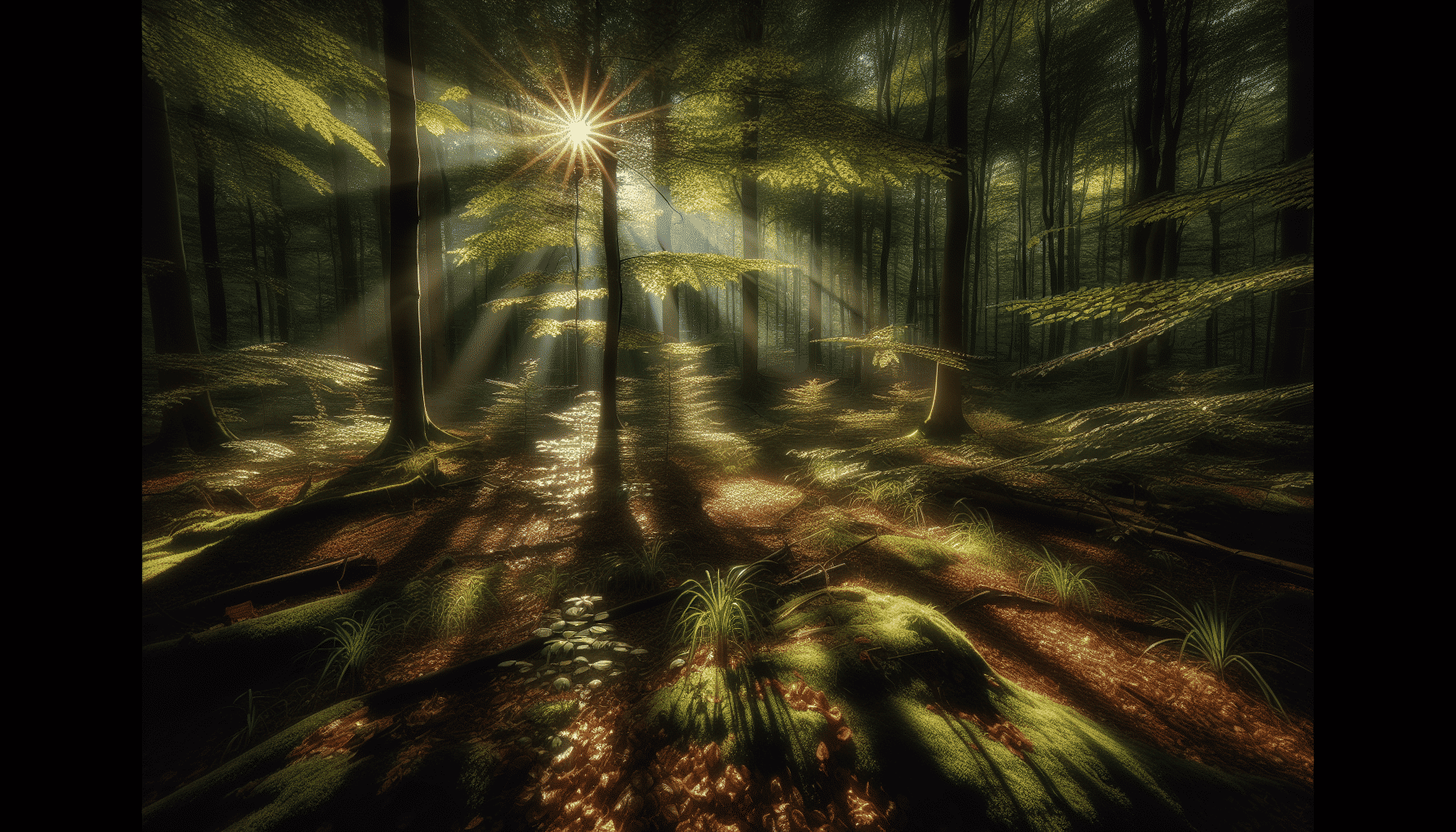
Natural illumination is often considered the most authentic and accessible form of lighting. It changes throughout the day, offering a diverse range of possibilities for photographers. The golden hours, which occur shortly after sunrise and before sunset, are particularly favored. During these times, the sun casts a warm, soft glow, accentuating textures and adding a magical touch to images. Midday illumination, although harsher, can be skillfully used to create dramatic contrasts and defined shadows.
One of the essential skills in working with natural light is the ability to read the quality of illumination. Overcast days, for instance, provide a diffused, even light that is perfect for portraits as it softens features and reduces harsh shadows. Meanwhile, direct sunlight can be manipulated using reflectors or diffusers to create balanced and pleasing light conditions.
Artificial Illumination
Artificial illumination encompasses a wide range of tools that can be meticulously controlled, allowing photographers to shape and mold light according to their creative vision. Studio setups with softboxes and umbrellas offer a consistent and adjustable source of light. They are particularly useful for portrait and still-life photography, where control over every aspect of the lighting is crucial.
In addition to traditional studio lights, the use of LED panels and ring lights has gained popularity. These modern tools offer adjustable color temperatures and are often more portable, making them suitable for on-location shoots. By experimenting with different types of light modifiers, such as grids and snoots, photographers can direct light more precisely, highlighting specific areas and creating a sense of depth and dimension.
Crafting Mood and Enhancing Depth
No matter whether one uses natural or artificial sources, the ultimate goal is to use light to evoke emotion and enrich narratives. By carefully adjusting the direction, intensity, and color of light, photographers can convey a range of moods. Soft, diffused lighting can lend a serene and gentle atmosphere, while hard, directional light can imply drama or tension.
Depth in an image can be accentuated by the strategic placement of highlights and shadows. This interplay of light and dark guides viewers' eyes, leading them through a composition and creating a sense of three-dimensionality. Backlighting, for example, can be used to create striking silhouettes, adding intrigue and focus to a subject.
In essence, mastering the use of lighting in photography is akin to learning a new language. It requires practice, experimentation, and an understanding of how different setups impact the final image. Whether working with the bounties of nature or the precision of studio equipment, the skilled use of illumination can turn simple captures into visual masterpieces that tell compelling stories.