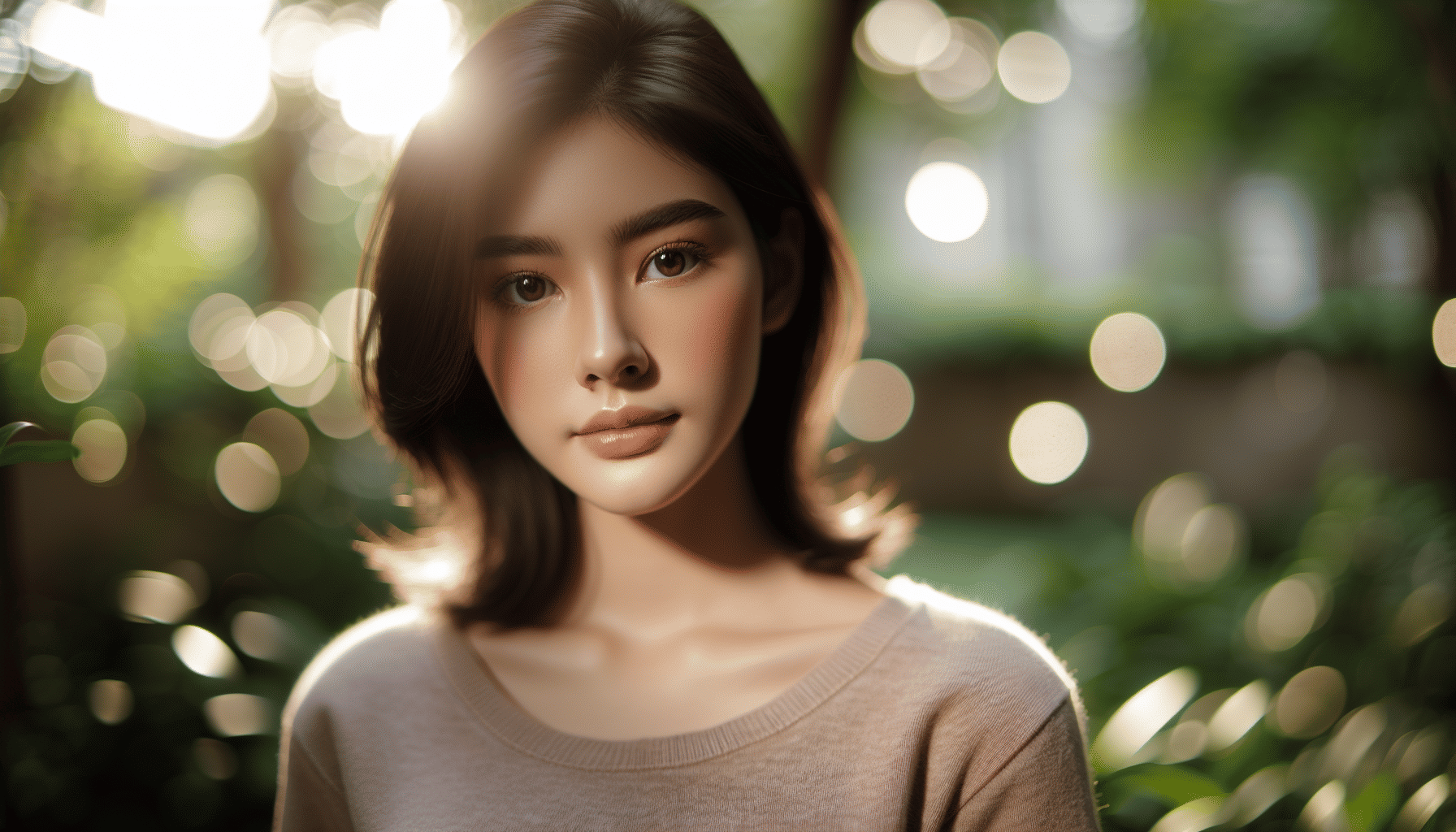
When capturing a person's essence through photography, portraiture offers an artistic avenue to explore. Engaging with the subtleties of lighting, composition, and expression can transform a simple photo into a compelling narrative. Here are some tips to enhance the power of your portrait photography:
Understanding Light
Lighting is a cornerstone of photography. In portraiture, it shapes not only the subject's features but also the overall mood of the image. Soft, natural light, like that found in the early morning or late afternoon, is often ideal for creating flattering portraits. These times, known as the "golden hours," provide a warm glow that highlights skin tones beautifully and creates gentle shadows.
If outdoor shoots aren’t possible, indoor environments with large windows can mimic this effect. Experiment with the distance and angle between your subject and the light source to avoid harsh shadows. When natural light isn't accessible, consider using reflectors or diffusers to guide the light creatively, achieving a softer look.
The Art of Composition
The composition of a portrait can significantly impact how the subject is perceived. Applying the "rule of thirds" can assist in creating a balanced and interesting image. Imagine dividing the viewfinder into a grid of nine equal segments; positioning the subject off-center on one of these lines often results in a more engaging composition than centering them.
Additionally, pay attention to the background. A cluttered background can distract from the subject, so aim for simplicity. Varying techniques like using a shallow depth of field can blur the background, ensuring the subject remains the focal point.
Capturing Expression
Expression is key in resonating the portrait’s intended message. It's crucial to establish rapport with the subject, making them feel comfortable in front of the camera. Engaging conversationally can elicit natural, relaxed expressions that capture the true essence of the individual.
Observe subtle changes in expressions – a slight tilt of the head or a genuine smile can convey different emotions. Encourage your subjects to think of personal moments or memories that evoke the desired emotion, whether it’s joy, introspection, or strength.
Experiment and Innovate
Finally, don’t shy away from experimentation. Portrait photography is a dynamic art form with room for innovation. Try different angles, shoot in black and white, or experiment with post-processing to evoke different moods. Being open to trying new techniques can lead to unexpected, captivating results.
In summary, capturing the essence of a subject in portrait photography is an intricate artistry of balancing technical skills with personal interaction. By focusing on lighting, composition, and the genuine expression of the subject, photographers can create portraits that tell unique stories and evoke emotion.